
Volume 79 / Issue 2 Spring 2026
May 15, 2026


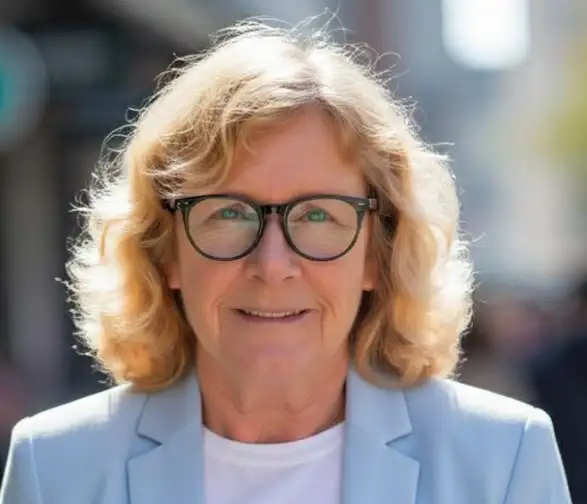
A Word from the New President
by Lynn H. Collins, PhD
Professor, Department of Psychology, La Salle University
Read the President's Update
The Society of Clinical Psychology held another successful conference! The 2026 Conference was held February 12-14, at the Emory Conference Center in Atlanta, GA. The theme of the conference was, “Emerging Trends in Clinical Psychology: Practice, Science, & Education.” It included continuing education (CE) programming, social events, and outstanding featured speakers: Lynn Bufka, PhD, ABPP; Catherine Grus, PhD; Hideko Sera, PsyD; Jennifer Tackett, PhD, and Moderator (SCP past president): A. Jordan Wright, PhD, ABAP, ABPP.

Hideko Sera, Psy.D., featured speaker
The conference committee, led by Member-at-Large Joey Yost with assistance from Heather Bruschwein and Lauren Ehrlich, did an amazing job organizing and running the conference, which explored scientific foundations, novel approaches, innovative interventions, and pioneering research that will shape the field’s trajectory in the coming years. It also addressed associated ethical considerations, cultural responsiveness, and structural competency in clinical practice and research; as well as rethinking training models, education, and mentorship.

Joanna S. Yost, Ph.D., Member at Large
In other developments, Dave FitzGerald is doing great work for the Membership Committee, supporting and developing SCP’s values regarding diversity. Thanks to the work of Jordan Wright, the awards now more clearly recognize the work of clinical psychologists serving in a broader range of roles (e.g., research, practice, education, policy, and leadership) across their careers, from student and early career awards through middle and senior career awards. The awards’ foci and descriptions are now better aligned with the division’s goal of representing the broad variety of roles in which clinical psychologists serve.
Welcome New Board Members
Next, I’d like to announce and welcome our distinguished new Board members! For future reference, if you and/or your colleagues would like to join the team leading and supporting the Society of Clinical Psychology, please nominate yourself and/or others to run in the SCP Officer Elections, held in April of each year! This year the society has some more new dynamic, creative, productive Board members joining us.
Rachel Hershenberg, Ph.D., ABPP

Rachel Hershenberg, Ph.D., ABPP, SCP Secretary
Dr. Hersenberg has joined us as the Secretary of the organization. Designated a “rising star” by APS, she is currently Associate Professor of Psychiatry and Behavioral Sciences at Emory University, specializing in treatment-resistant depression and behavioral activation. She serves as Director of Psychotherapy in Emory’s Treatment Resistant Depression Program. Dr. Hershenberg is a dedicated educator, researcher, and clinician whose research focusses on behavioral activation, treatmentresistant depression, and positive emotion regulation. She is also author of Activating Happiness: A Jump-Start Guide to Overcoming Low Motivation, Depression, or Just Feeling Stuck, a workbook aimed at helping individuals increase rewarding activities.
Courtland Hyatt, Ph.D.

Courtland S. Hyatt, Ph.D., Editor, The Clinical Psychologist
Dr. Hyatt has taken on the role of Editor of The Clinical Psychologist (tCP). A recipient of the Personality Science Emerging Scholar Award, Dr. Hyatt is currently Assistant Professor, Emory University School of Medicine. His research areas include personality pathology, especially externalizing behavior; the relationship between personality traits and antisocial behavior, and mental health treatments. He also studies the relationship between personality traits and PTSD and investigating MDMA’s effects on personality. He has worked extensively with U.S. service members, including in intensive outpatient programs for veterans.
Leila Z. Islam, Ph.D. LCP

Leila Z. Islam, Ph.D., LCP, APAHC Representative
Dr. Islam is our new Association of Psychologists in Academic Health Centers (APAHC) Representative. Dr. Islam a Licensed Clinical Psychologist, Professional Counselor, and Associate Professor at the Virginia Commonwealth University (VCU) School of Medicine. Her accomplishments span clinical excellence, leadership in professional organizations, and scholarly contributions to psychology. She is interested in the use of telepsychology in practice and in spiritual and religious competencies in clinical practice. Dr. Islam has served as President of the Association for Spiritual, Ethical, and Religious Values in Counseling (ASERVIC) and as an Early Career Representative for the Association of Psychologists in Academic Health Centers. Finally, Dr. Islam has been recognized as a “Top Doc” in clinical psychology by Richmond Magazine!
Jill Clemence, Ph.D.

Jill Clemence, Ph.D., Assessment Section Representative
Dr. Clemence is joining the Board as Assessment Section representative. She is a licensed clinical psychologist specializing in health psychology, pain management, and personality assessment. She currently works at Rutland Regional Medical Center and has served as a Research Associate/Affiliate Faculty at the Austen Riggs Center since 2005. In the past she developed a chronic pain management program at the VHSO in Fayetteville, Arkansas, integrating personality theory into treating complex medical issues. She has also served as an Assistant Professor at Albany Medical College and as an Associate Editor for the Journal of Personality Assessment (2013–2016). Jill has published numerous articles and book chapters in professional journals, including Substance Abuse, Journal of Personality Disorders, and Psychotherapy. Jill has also served as President of the Society for Personality Assessment (2022–2023) and on its Board.

Call for Letters
APA DIVISION 12’S COMMITTEE ON SCIENCE AND PRACTICE IN COLLABORATION WITH DIVISIONS 50, 53, AND 54 INVITES APA Division 12 practitioners, trainees, and the public with a list of empirically supported psychological treatments that have been systematically evaluated.
This initiative is supported by the Empirically Supported Treatment Evaluation Program (E-STEP), funded by an American Psychological Association Committee on Division/APA Relations (CODAPAR) grant.
We invite Letters of Intent from teams interested in evaluating the evidence base for specific psychological treatments using the Tolin et al. (2015) criteria.
Approved evaluations will update Division 12’s online list of Psychological Treatments.
A manual providing standardized guidance on applying the Tolin criteria is available here.
Stipends Available
Interested in receiving a $1000 stipend to support your team’s evaluation? Teams are invited to submit evaluations of treatments they wish to review, including treatments not yet listed Already evaluated treatments:
- CBT for Gambling Disorder
- CBT for Substance Use Disorder
- Contingency Management for Substance Use Disorder
- Exposure and Response Prevention for OCD
- CBT for Insomnia
Have Questions?
Contact the E-STEP Project Lead, Cassandra Boness

The Art and Science of Advocacy
by Anastasia Bullock, PsyD
Psychology Internship Training Director and Lead Psychologist (Hospital-Based Psychology), Cooper University Health Care
Read Article
As spring arrives, I find myself thinking about growth and new opportunities. It’s a season that reminds me how much careful tending and patience are needed to help something flourish, whether it’s a vegetable garden or the progress we’re working to achieve.
I used to think gardening was easy; in fact, we excitedly planted a garden during COVID when my son was 3 months old. Couldn’t be that hard, could it? You dig the holes, drop in the seeds, water them, and wait. I quickly learned it doesn’t work that way. On those rare opportunities when he took a long nap and I was able to get outside for a few minutes to check out the garden, I realized there was a lot more work to be done. You can’t just plant tomatoes and come back 2 weeks later to see how things are going. A garden needs a thoughtful approach and continuous attention. Every couple of days, you need to pull weeds that are growing and encroaching on your tomatoes, peppers, and lettuces. You may need to add fertilizer or mulch to improve soil conditions. You also need to make sure your plants have the right neighbors, perhaps adding marigolds to boost pollination and deter pests. While I couldn’t control the weather, I realized I needed a flexible approach to watering and compensate for lack of rain.
Advocacy is no different.
At its core, advocacy involves targeted actions taken either in support of or opposition to a particular policy. It’s not a one-time effort. It’s a deliberate, ongoing process aimed at influencing decision-makers on specific policy issues. Voting, attending town halls, and communicating with elected officials are the seeds we plant. But real impact comes from tending to them over time: following up, adjusting your approach, and staying consistent. Change rarely happens overnight (and neither do peppers!).
Similar to weeding out what does not belong and arranging plants so that they support each other, advocacy is goal-oriented and requires consistent effort. Whether the objective is to raise awareness about a pressing issue, pass new legislation, or improve an existing program, advocacy efforts are driven by intentionality, patience and flexibility.
Some plants need more sun, others more shade; some thrive together, while others compete. Advocacy works the same way, and psychological science offers powerful tools to guide the process. By understanding how policymakers think and make decisions, messages resonate more deeply. Appealing to emotion through personal stories can foster empathy and motivate action, while highlighting the costs of inaction, like the economic burden of untreated mental illness, leverages principles such as loss aversion to create urgency. Equally important is framing: issues need to be presented in a way that aligns with a policymaker’s values (e.g., personal freedom, economic efficiency, or public welfare). Effective advocates ask: “What does this decision-maker need in order to act? What pressures shape their choices? Who do they answer to?” Emphasizing social norms, such as widespread adoption of policies in other states, can further encourage action. Like tending a garden, advocacy requires careful attention to context, relationships, and timing to help ideas take root and flourish.
Organizations like APA Services, Inc., a companion professional organization to the American Psychological Association, play a key role in advancing advocacy within the field of psychology. Their work focuses on promoting psychological research, supporting clinical practice, enhancing education, and applying psychological science to address major societal challenges. Through tools like Voter Voice, they make it easier for members to contact elected officials and participate in advocacy efforts, helping bridge the gap between psychologists and policymakers. Despite its importance, many psychologists report limited exposure to advocacy training, despite being uniquely positioned to provide timely, evidence-based advocacy for the communities they serve (Singh et al., 2023). While they may feel comfortable engaging in social justice or individual policy issues, fewer feel equipped to advocate for the profession as a whole. This gap has real consequences to social justice efforts, as well as the profession’s advancement. Lawmakers often lack a clear understanding of psychology’s role as a health profession and STEM discipline, which can lead to its exclusion from critical federal funding opportunities. Ultimately, advocacy is both an art and a science. It requires not only passion for change but also strategic thinking and persistence, offering evidence-based knowledge as the foundation. Like a well-tended garden, the work may be slow and demanding, but with careful attention, planning, and patience, the results can flourish to yield meaningful change for individuals, communities, and the field of psychology itself.
If you’re interested in engaging more in advocacy at the division level, please reach out to Tara Craighead or myself. The Society of Clinical Psychology Advocacy Committee is a wonderful group of people who would love to have more members! The committee’s purpose is to promote and support advocacy efforts relevant to the science and practice of clinical psychology. Our goal is to 1) monitor emerging policy and advocacy issues that affect members and the broader mission of the Society of Clinical Psychology and communicate relevant developments to membership; 2) share advocacy resources to support members in engaging in effective advocacy activities; 3) coordinate with and relay relevant initiatives and updates from APA and APASI, as well as bring member recommendations to APA based on SCP initiatives. For more information, please check out SCP’s Advocacy page.
References
Singh, A., Roberts, M. C., McKinney, W. S., Kelly, S., Ortega, A., Doyle, R., & Tampke, E. C. (2023). Advocacy as a professional competency in psychology. Training and Education in Professional Psychology, 17(4), 414– 422. https://doi.org/10.1037/tep0000450
News & Updates

APA Convention 2026
August 6-8, 2026 | Washington, DC + Virtual
SCP’s APA programming is outstanding – we hope to see you at Convention this year!
Visit our Convention page for more information

Join a Society of Clinical Psychology Section
The Society of Clinical Psychology (Division 12) has six sections.

Environmental Injustice as a Determinant of Mental Health: Disproportionate Impacts Across Marginalized Communities
by Shaciarra Hamilton, PsyD
Clinical Psychologist, University of Illinois, Urbana-Champaign SCP Diversity Committee
Read Article
Abstract
Environmental injustice, the disproportionate exposure of marginalized communities to environmental hazards, is a critical yet underexamined determinant of mental health disparities. This article aims to synthesize interdisciplinary research to examine how structural inequities in environmental conditions (e.g., pollution, climate-related disasters, and neighborhood disinvestment) contribute to adverse psychological outcomes.
Drawing on environmental justice frameworks, social determinants of health, and intersectionality theory, we argue that chronic exposure to environmental stressors increases risk for anxiety, depression, trauma-related disorders, and diminished well-being. These effects are not evenly distributed: racial and ethnic minorities, lowincome populations, Indigenous communities, and youth face compounded vulnerabilities shaped by structural inequities. We further examine mediating and moderating factors such as resilience, social cohesion, and cultural strengths. The article offers implications for clinical practice and policy, emphasizing the need for culturally responsive care and structural reform to address the mental health burden of environmental injustice.
I. Introduction
Environmental conditions are fundamental to human health, yet their distribution across populations is historically unequal. Environmental injustice refers to the systematic placement of hazardous environmental conditions (such as polluted air, contaminated water, climate-related risks, etc.) within communities that are socially and economically marginalized (Bullard, 2000). While the physical health consequences of such inequities are well documented, the psychological toll remains comparatively underexplored.
Mental health disparities across racial, socioeconomic, and geographic lines are persistent and widening (Alegría et al., 2018). Increasingly, scholars argue that environmental conditions are not merely background variables but active contributors to psychological distress (Gee & Payne-Sturges, 2004). Chronic exposure to environmental hazards creates sustained stress, uncertainty, and diminished quality of life, all of which are linked to adverse mental health outcomes.
Environmental injustice is a critical and underrecognized driver force of mental health inequities. Specifically, this article examines how environmental exposures contribute to psychological distress, how these impacts are distributed disproportionately across historically marginalized populations, and how protective factors may mitigate harm. By integrating insights from public health, psychology, and environmental justice scholarship, this article advances a more holistic understanding of mental health disparities and calls for systemic interventions.
II. Theoretical Framing
Environmental Justice and Structural Inequality
The environmental justice movement emerged in response to evidence that environmental hazards are disproportionately located in BIPOC communities and low-income neighborhoods (Bullard, 2000). These patterns are not incidental but are rooted in historical processes such as residential segregation, discriminatory zoning practices, and political disenfranchisement (Mohai et al., 2009). Environmental injustice operates through both distributive and procedural mechanisms. Distributive injustice refers to the unequal allocation of environmental risks, while procedural injustice involves the exclusion of marginalized groups from decision-making processes (Schlosberg, 2007). Together, these mechanisms perpetuate cycles of vulnerability and exposure.
Social Determinants of Mental Health
The social determinants of health framework emphasizes that health outcomes are shaped by broader social, economic, and environmental conditions (Marmot et al., 2008). Within this framework, environmental quality is a foundational determinant that interacts with factors such as income, education, and access to healthcare. Environmental conditions must be understood as integral to mental health, rather than peripheral. Environmental stressors can directly affect mental health through biological pathways (e.g., neuroinflammation due to pollution) and indirectly through psychosocial mechanisms such as stress, fear, and reduced access to restorative spaces (Bratman et al., 2019).
Intersectionality
Intersectionality provides a lens for understanding how overlapping systems of oppression shape lived experiences (Crenshaw, 1989). Individuals who hold multiple marginalized identities (i.e., being both lowincome and a racial minority) are more likely to experience compounded environmental exposures and reduced access to resources. This framework is essential for understanding environmental injustice, as it highlights that vulnerability is not uniform but varies based on intersecting social positions. Consequently, mental health outcomes must be analyzed in relation to these intersecting factors.
III. Mechanisms Linking Environmental Injustice to Mental Health
Direct Environmental Exposures
Exposure to environmental pollutants has been linked to a range of mental health outcomes, including depression, anxiety, and cognitive impairment (Power et al., 2015). Air pollution, in particular, has been associated with increased risk of psychiatric disorders, potentially due to inflammation and neurotoxic effects (Braithwaite et al., 2019).
Water contamination and exposure to toxic substances can also contribute to psychological distress, both through physiological effects and through the stress associated with uncertainty and loss of trust in institutions (Cuthbertson et al., 2016).
Climate and Disaster-Related Stress
Climate change has introduced new forms of psychological distress, including eco-anxiety and ecological grief (Clayton et al., 2017). Natural disasters such as hurricanes, wildfires, and floods are associated with increased rates of post-traumatic stress disorder (PTSD), depression, and anxiety (Neria et al., 2008). Importantly, marginalized communities are more likely to experience severe impacts from such events due to inadequate infrastructure, limited resources, and systemic neglect (Raker et al., 2020).
Chronic Stress and Allostatic Load
Repeated exposure to environmental stressors contributes to chronic stress, which in turn leads to allostatic load, the cumulative physiological burden of adapting to stress (McEwen & Tucker, 2011). High allostatic load is associated with a range of mental health conditions, including depression and anxiety. Living in environments characterized by pollution, noise, and instability creates a persistent state of vigilance and stress, which can erode psychological wellbeing over time.
Built Environment and Neighborhood Conditions
The built environment (including housing quality, access to green space, and neighborhood safety) plays a significant role in mental health (Evans, 2003). Lack of green spaces has been linked to increased stress and reduced wellbeing, while consistent safe access to nature is associated with improved mental health outcomes (Bratman et al., 2019). Disinvested neighborhoods often lack these protective features, further exacerbating mental health disparities.
IV. Disproportionate Impacts Across Populations
Racial and Ethnic Minorities
Racial and ethnic minorities are disproportionately exposed to environmental hazards due to systemic factors such as segregation and discriminatory policies (Mohai et al., 2009). These exposures contribute to higher levels of psychological distress and lower access to mental health resources (Alegría et al., 2018). Environmental racism not only increases exposure to hazards but also reinforces broader patterns of inequality, compounding mental health risks.
Low-Income Populations
Low-income individuals often reside in areas with higher levels of pollution and fewer resources for mitigation (Marmot et al., 2008). Economic constraints limit their ability to relocate or access healthcare, increasing vulnerability to both environmental and psychological stressors. Financial strain itself is a significant source of stress, which interacts with environmental exposures to exacerbate mental health outcomes.
Children and Adolescents
Children are particularly vulnerable to environmental stressors due to their developmental stage (Evans, 2003). Exposure to pollution and environmental instability can affect cognitive development, emotional regulation, and long-term mental health. Early life exposure to stress is associated with increased risk of mental health disorders in adulthood, highlighting the long-term consequences of environmental injustice.
Indigenous Communities
Indigenous populations experience unique forms of environmental injustice, including land displacement and resource extraction on ancestral lands (Cunsolo & Ellis, 2018). These disruptions have profound implications for cultural identity and mental health. Loss of land is not only a physical displacement but also a psychological and spiritual disruption, contributing to grief, trauma, and diminished well-being.
V. Moderators and Protective Factors
Despite the significant risks associated with environmental injustice, not all individuals experience negative mental health outcomes. Protective factors at the individual, community, and cultural levels can mitigate harm. Individual resilience, including adaptive coping strategies, plays a role in buffering stress. Community-level factors such as social cohesion and mutual support can also enhance resilience (Kawachi & Berkman, 2001). Cultural strengths, including collective identity and traditional knowledge, are particularly important in marginalized communities. These factors can foster a sense of meaning and resistance, helping individuals navigate environmental challenges (Cunsolo & Ellis, 2018).
VI. Clinical and Policy Implications
Clinical Practice
Mental health practitioners should consider environmental context when assessing and treating clients. This includes recognizing the role of environmental stressors in shaping psychological distress and incorporating this understanding into treatment planning. Culturally responsive and traumainformed approaches are essential, particularly when working with populations disproportionately affected by environmental injustice. Clinicians should also be prepared to address emerging concerns such as ecoanxiety.
Policy and Structural Change
Addressing environmental injustice requires systemic interventions. Policies aimed at reducing pollution, improving housing, increasing access to resources, and increasing access to green spaces can have significant mental health benefits. Mental health professionals play a role in advocacy, using their expertise to inform policy and promote environmental justice. Interdisciplinary collaboration is critical to addressing the complex interplay between environment and mental health.
VII. Conclusion
Environmental injustice is a critical determinant of mental health disparities, shaping psychological outcomes through multiple pathways. These impacts are not evenly distributed but are concentrated among marginalized populations due to structural inequities. Addressing these disparities requires a holistic approach that integrates environmental, social, and psychological perspectives. By recognizing environmental injustice as a mental health issue, researchers, clinicians, and policymakers can work toward more equitable and effective solutions.
References
Alegría, M., et al. (2018). Disparities in mental health treatment. Annual Review of Clinical Psychology, 14, 49–73.
Braithwaite, I., Zhang, S., Kirkbride, J. B., Osborn, D. P. J., & Hayes, J. F. (2019). Air Pollution (Particulate Matter) Exposure and Associations with Depression, Anxiety, Bipolar, Psychosis and Suicide Risk: A Systematic Review and Meta-Analysis. Environmental health perspectives, 127(12), 126002.
Bratman, G. N., et al. (2019). Nature and mental health. Science Advances, 5(7). Bullard, R.D. (2000). Dumping In Dixie: Race, Class, And Environmental Quality, Third Edition (3rd ed.). Routledge. https://doi.org/10.4324/9780429495274
Clayton, S., et al. (2017). Mental health and climate change. American Psychologist, 72, 273–287.
Crenshaw, K. (1989). “Demarginalizing the Intersection of Race and Sex: A Black Feminist Critique of Antidiscrimination Doctrine, Feminist Theory and Antiracist Politics,” University of Chicago Legal Forum: Vol. 1989: Iss. 1, Article 8. Available at: http://chicagounbound.uchicago.edu/uclf/vol1989/iss1/8
Cunsolo, A., & Ellis, N. (2018). Ecological grief. Nature Climate Change, 8, 275–281. Cuthbertson, C. A., Newkirk, C., Ilardo, J., Loveridge, S., & Skidmore, M. (2016). Angry, scared, and unsure: Mental health consequences of contaminated water in Flint, Michigan. Journal of Urban Health, 93(6), 899-908.
Evans, G. W. (2003). Built environment and mental health. Journal of Urban Health, 80, 536–555. Gee, G. C., & Payne-Sturges, D. (2004). Environmental health disparities. American Journal of Public Health, 94, 1815– 1823.
Kawachi, I., & Berkman, L. F. (2001). Social ties and mental health. Journal of Urban health, 78(3), 458-467.
Marmot, M., Friel, S., Bell, R., Houweling, T. A., & Taylor, S. (2008). Closing the gap in a generation: health equity through action on the social determinants of health. The lancet, 372(9650), 1661-1669.
McEwen, B. S., & Tucker, P. (2011). Critical biological pathways for chronic psychosocial stress and research opportunities to advance the consideration of stress in chemical risk assessment. American Journal of Public Health, 101(S1), S131-S139.
Mohai, P., Pellow, D., & Roberts, J. T. (2009). Environmental justice. Annual review of environment and resources, 34, 405- 430.
Neria, Y., Nandi, A., & Galea, S. (2008). Post-traumatic stress disorder following disasters: a systematic review. Psychological medicine, 38(4), 467-480.
Power, M. C., Kioumourtzoglou, M. A., Hart, J. E., Okereke, O. I., Laden, F., & Weisskopf, M. G. (2015). The relation between past exposure to fine particulate air pollution and prevalent anxiety: observational cohort study. bmj, 350.
Raker, E. J., Arcaya, M. C., Lowe, S. R., Zacher, M., Rhodes, J., & Waters, M. C. (2020). Mitigating Health Disparities After Natural Disasters: Lessons From The RISK Project: Study examines mitigating health disparities after natural disasters. Health Affairs, 39(12), 2128-2135.
Schlosberg, D. (2007). Defining environmental justice: Theories, movements, and nature. OUP Oxford.
U.S. EPA. (2022). Environmental justice overview. Retrieved from https://www.epa.gov/newsreleases/epa-announces-fy2022-enforcement-and-compliance-accomplishments
World Health Organization. (2021). Social determinants of health: report by the Director-General (EB148/24). Retrieved from https://iris.who.int/handle/10665/359797.


Member Spotlight: Interview with Dr. Lauren Erlich, PhD
Assistant Professor, Department of Psychiatry and Neurobehavioral Sciences, University of Virginia
Read Article
Please provide an overview of your work (e.g., clinical specialty and interests, research program, etc.).
I am a clinical health psychologist specializing in issues related to weight and eating. My current responsibilities are primarily clinical. I work extensively with patients before and after bariatric surgery, focusing on their eating patterns, health behaviors, and adjustment after surgery. I also spend one day a week in our Cancer Center and run programs to treat insomnia and other sleep-related problems.
Where did you complete your training (graduate school and area of emphasis, internship, post doc, etc.)?
I completed my undergraduate degree at the University of Notre Dame (Go Irish!). Then I went to the University at Albany, SUNY for graduate school, completing their clinical psychology PhD program in 2019. I did my internship year at Geisinger Medical Center, which is where I confirmed that I wanted to build a career in academic medicine. My clinical postdoctoral fellowship was at UVA Health, which is where I currently work.
What is your current position/occupation?
I am an Assistant Professor at the University of Virginia School of Medicine. I am clinical faculty, meaning most of my responsibilities involve patient care, but I also teach and supervise learners, including psychology graduate students, postdoctoral psychology fellows, and medical residents and fellows. Additionally, I dedicate some time to scholarly work, primarily in quality improvement projects. I am usually involved in at least one or two research projects at any given time, many of which are collaborations with other psychologists or providers in other departments.
Can you describe the ways that your career has taken shape over time? How did you get to where you are today?
In graduate school I gained a strong foundation in clinical skills – particularly cognitive behavioral treatments – and discovered a love for patient care. Although my graduate program was very research-oriented, I found my clinical work to be the most interesting and fulfilling. The focus of my graduate lab and some of my graduate clinical training was in disordered eating, but during my internship year I built on this background and began tailoring it toward clinical health psychology and integrated care. I further developed this interest and those skills during my postdoctoral fellowship years. Along the way I had the benefit of outstanding mentorship from faculty, clinical supervisors, and peers. I’ve been fortunate to have great mentors who have modeled fulfilling and productive careers in clinical psychology and helped me shape what I want that to look like for myself.
How long have you been a member of SCP? Please indicate any past or present roles in SCP (e.g., leadership, committees, task forces, etc.)?
I had a hard time pinpointing when I first joined SCP, but I believe it was some time in graduate school – so over 10 years ago now. During internship and beyond I became much more involved in Division 38 (Society for Health Psychology) for several years, however I rejoined again when I started my first faculty position in 2021. During my first year I served as a reviewer for the APA Convention and for the past 2 years I have taken on the role of Program Co-Chair for the APA Convention. Please describe any roles you have with APA or other national, state, or local organizations. Right now, my primarily leadership roles (other than SCP) are with APAHC – the Association for Psychologists in Academic Health Centers. I am on their board, serving as the Social Media Committee Chair and I’m also the editor of the quarterly newsletter, Grand Rounds. This year my service roles have taken a back seat as my partner and I welcomed a new baby in early May!
What do you see as an important direction for the field of Psychology?
There are so many important directions, it’s impossible to pick just one. In my own day-to-day work, I see a huge need for improving integrative care and deepening our understanding of the mind-body connection. Psychology will continue to play a vital role in improving our understanding of the ways our minds and bodies are intertwined, and helping patients (and the providers who treat them) better understand and manage their whole health. Equally important is the ongoing work of improving access and equity in mental health services. Including developing more culturally responsive interventions and re-thinking our models of care to meet a high (and evergrowing) demand for the work that we do. I’m excited to see how the field continues to advance to meet these goals.
What are your hobbies?
I love running, particularly training for races. At one point I had a goal to run a race in every single U.S. state. I’ve been moving a little slowly with this goal since having kids, but I’d still love to try. I also love music, especially live music. My partner and I enjoy traveling to see shows. Otherwise, you can typically find me outside. I have a vegetable garden this year, so that has taken a lot of my time, and I love hiking and spending time outside with my family!
What led to your interest in clinical psychology and/or area of interest?
In high school I took an AP Psychology class, which was my first exposure to psych and it sparked enough of an interest that I considered majoring in Psychology when I started college. I started as an English/Journalism major, but found myself in a psychology class with a fantastic professor who became a mentor of mine. I assisted in her research lab – the Social Cognition Lab – which did work at the intersection of clinical and social psychology. One of my first research posters was on the impacts of weight-related conversations between women, colloquially called “fat talk.” These experiences solidified my interest in clinical psychology, and in particular, people’s relationships with food and their own bodies and how to help heal those relationships.
What are some challenges you have faced as a professional psychologist?
One of the biggest challenges I face right now is trying to maintain a patient-centered approach while working in our current healthcare system, which can sometimes pose limitations to the work we do. We get pulled in so many different directions. And it feels like there is never enough time to do all of the interesting and exciting things our career allows us to do!